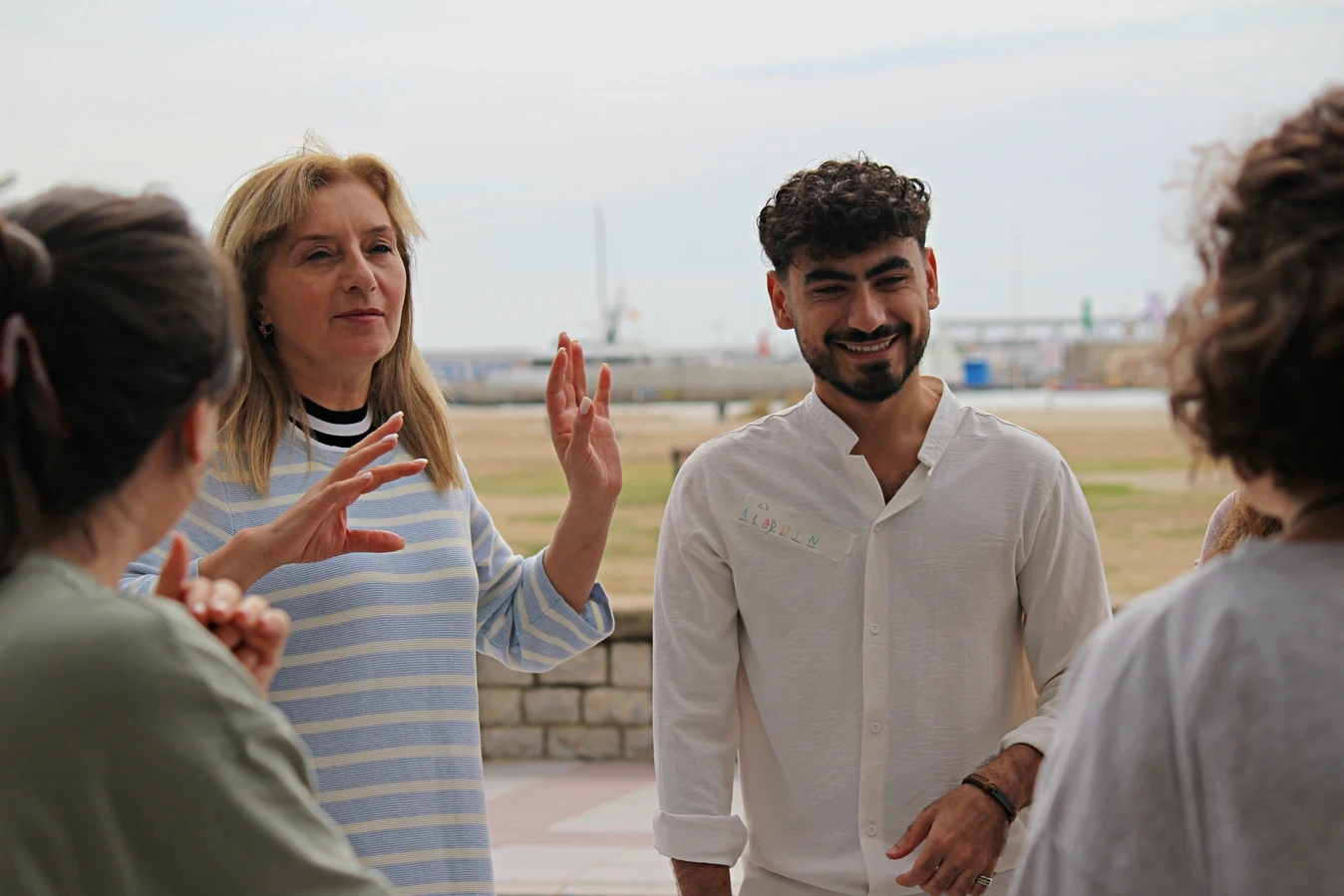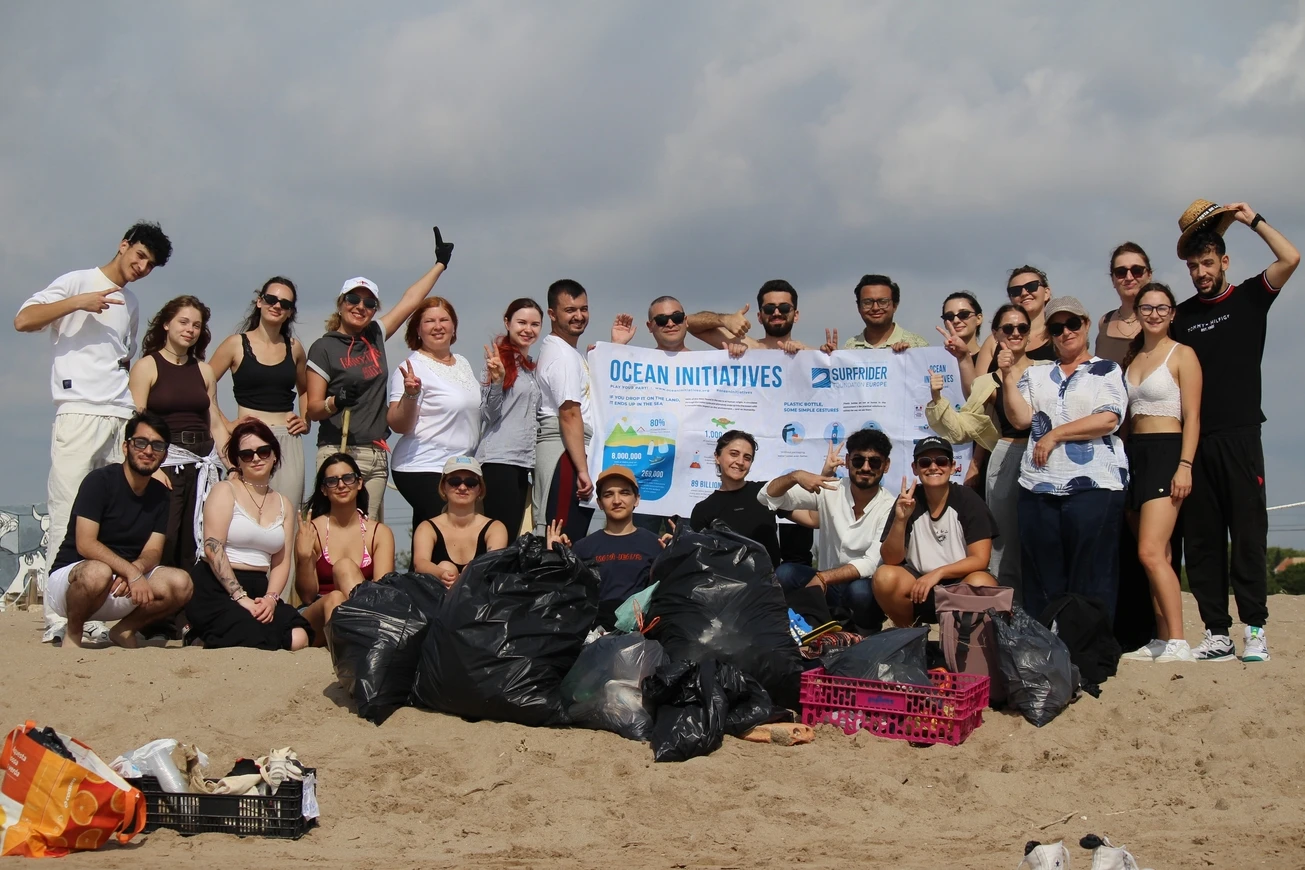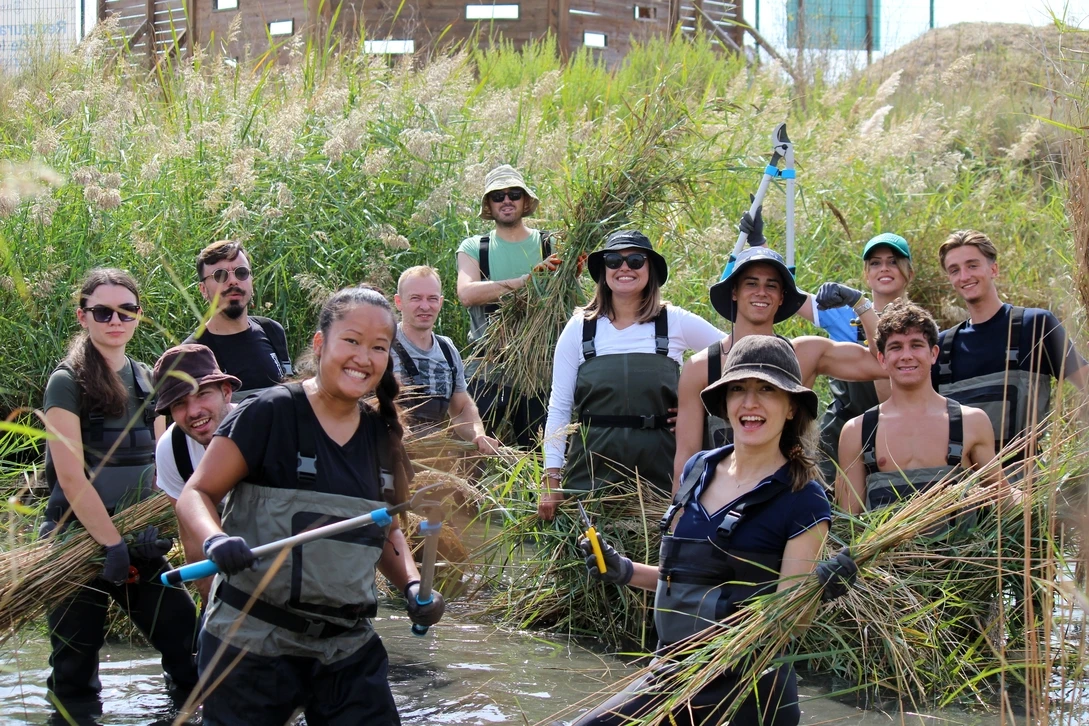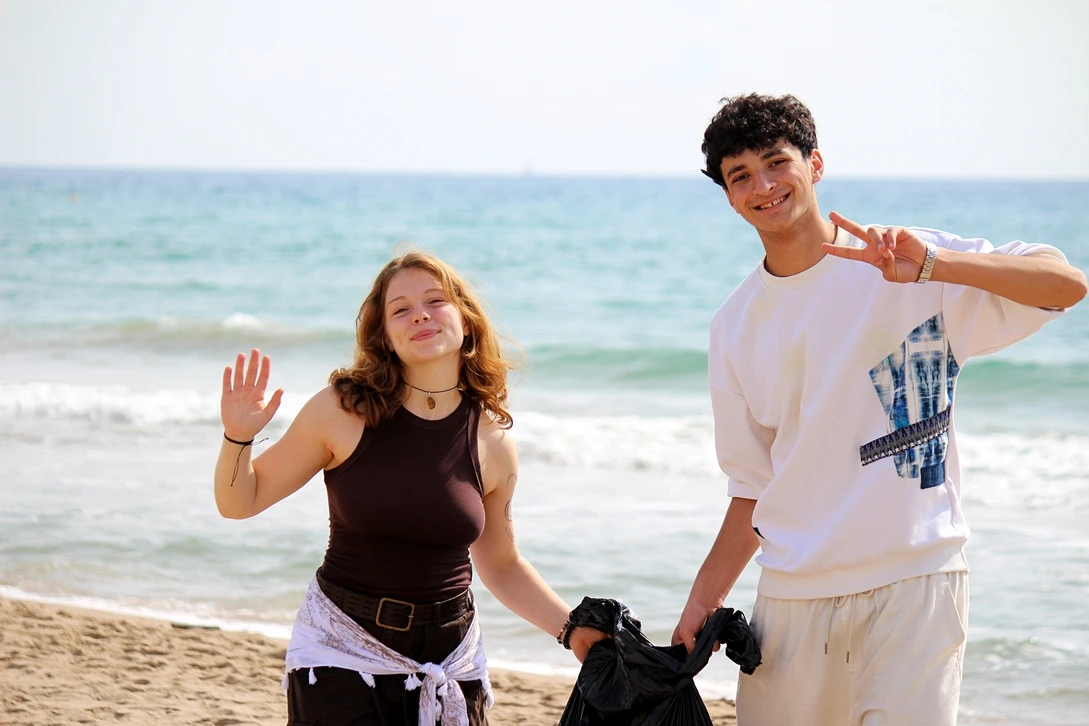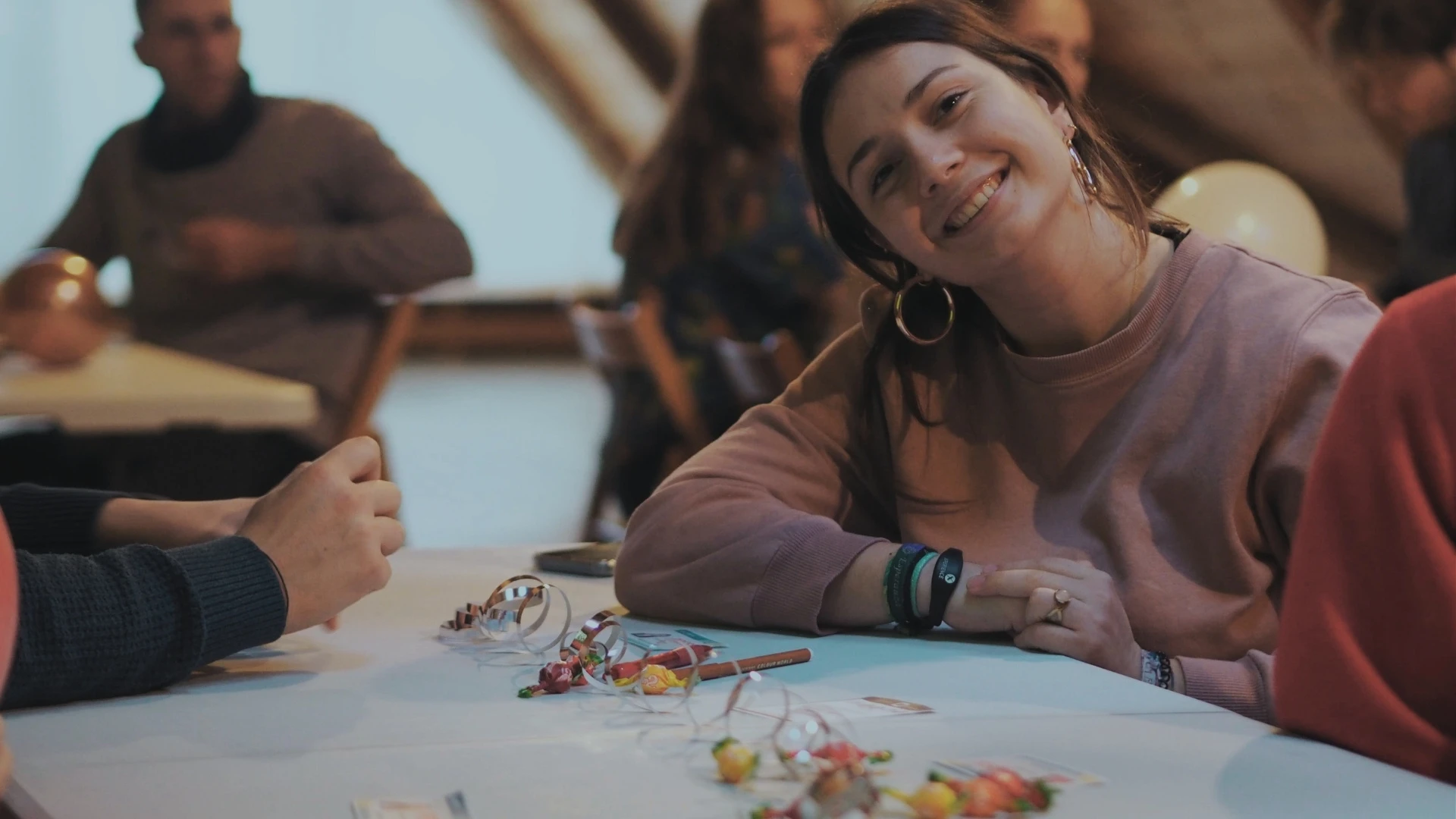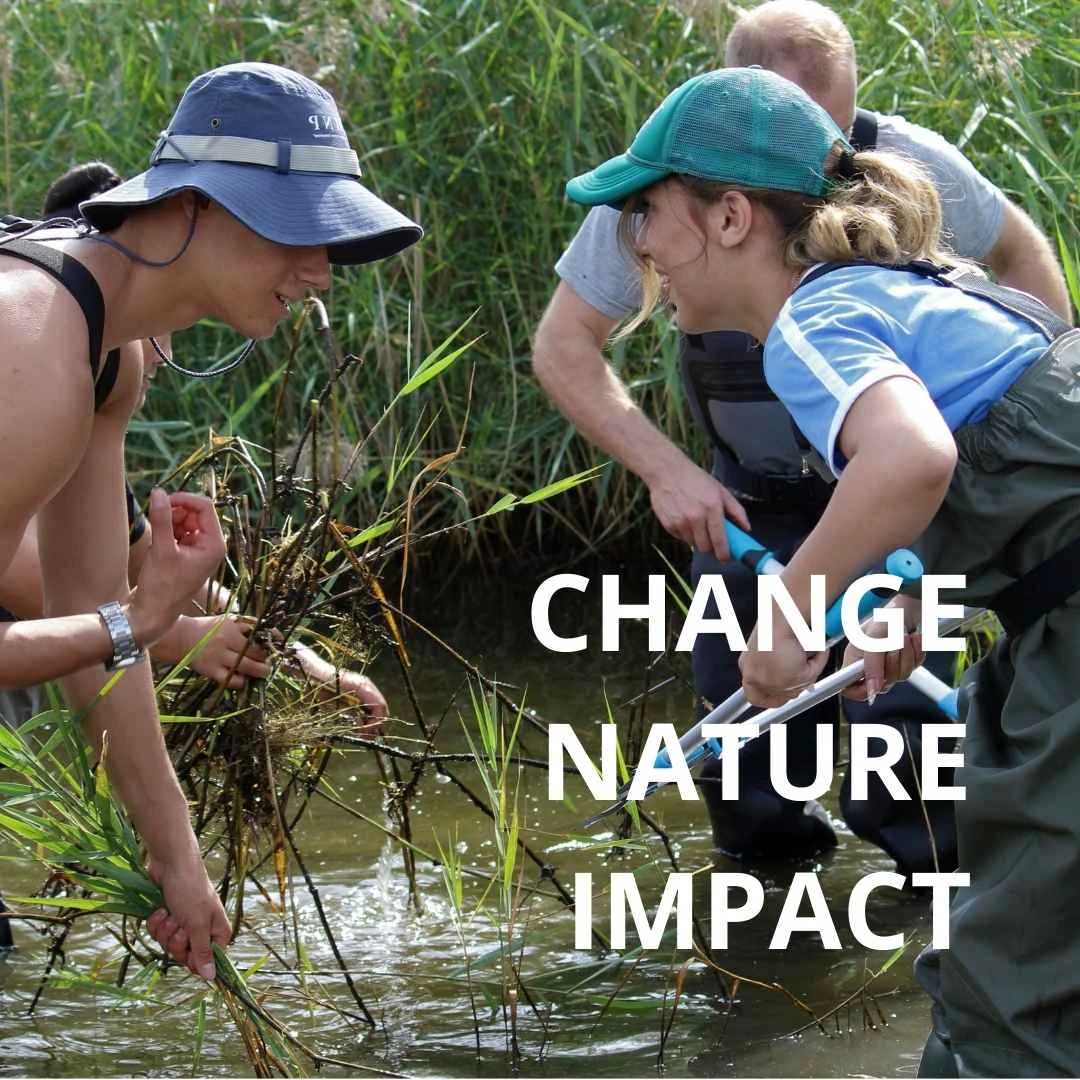
In practice, this meant a rich program based on non-formal education methods, from team-building games to reflection circles and hands-on DIY workshops. Participants designed their own eco-brands from upcycled materials, made natural shampoo, discussed greenwashing, and explored how to incorporate sustainability into their everyday lives and professional settings. The program also included a visit to a local museum showcasing green innovation. A big highlight was the volunteering day at the Platja de les Madrigueres nature reserve, where participants helped clean the protected area and learned about the work of a local environmental organization. Another memorable moment was the final beach fashion show, where participants presented their upcycled creations, not just as a workshop outcome, but as a personal statement of commitment to sustainability.
The program was carefully structured to present sustainability as a practical and human-centered issue, rather than an overwhelming global problem. The course showed that change starts where we have the most influence: in our daily choices, habits, and the way we see the world. Participants practiced creating eco-friendly products, facilitating activities, and collaborating in teams. More importantly, they discovered how to communicate about sustainability in a clear, respectful, and non-preachy way. The training helped them gain not only useful skills, but also the confidence to become a positive influence in their communities.
The course was also a reminder that the path to sustainability doesn’t require perfection, but rather openness and a willingness to try. Instead of focusing on the “right” answers, the week created space for sharing, exploration, and personal experimentation. It was the authenticity, ideas, and personal engagement of the participants that gave the week its true energy—and proved once again that the greatest power of education lies in experience, cooperation, and safe spaces where people can both feel supported and challenge themselves. The participants left not only with new tools and project ideas for their local communities, but also with deeper awareness of their own consumption habits and the motivation to be part of meaningful change.